TL;DR
CISA just signaled that the era of static severity scores is over. If you're running a CVSS-based program, Miggo has released a product enhancement to help companies become BOD 26-04 compliant immediately
CISA has issued a new directive mandating that U.S. federal agencies move away from relying solely on CVSS scores and Known Exploited Vulnerability (KEV) lists when prioritizing remediation. The BOD 26-04 mandate introduces SSVC, Stakeholder-Specific Vulnerability Categorization, a structured decision framework that factors in internet exposure, exploitability signals, attacker control, and business impact.
This is a meaningful shift. For years, security teams have been buried under vulnerability backlogs built on scores that tell you how bad a vulnerability could be, not how likely it is to be exploited against your specific environment, right now.
We believe this is the right direction and we've built Miggo to help you get there through a complete vulnerability management workflow: know what's truly exploitable, protect against it at runtime, and patch with full confidence on your timeline.
What BOD 26-04 Measures
SSVC replaces the blunt instrument of CVSS with a decision tree that asks the following questions:
- Is this vulnerability reachable?
- Is there a working exploit in the wild?
- What level of control would an attacker gain?
- What is the potential business impact?
These are the right questions. Moving from "how severe is this?" to "can an attacker actually reach this?" represents a genuine evolution in how the industry thinks about vulnerability risk. And since CISA's directives tend to set the tone for enterprise security programs well beyond the federal government, this will likely accelerate the shift across the broader market.
How Miggo Helps You Operationalize BOD 26-04
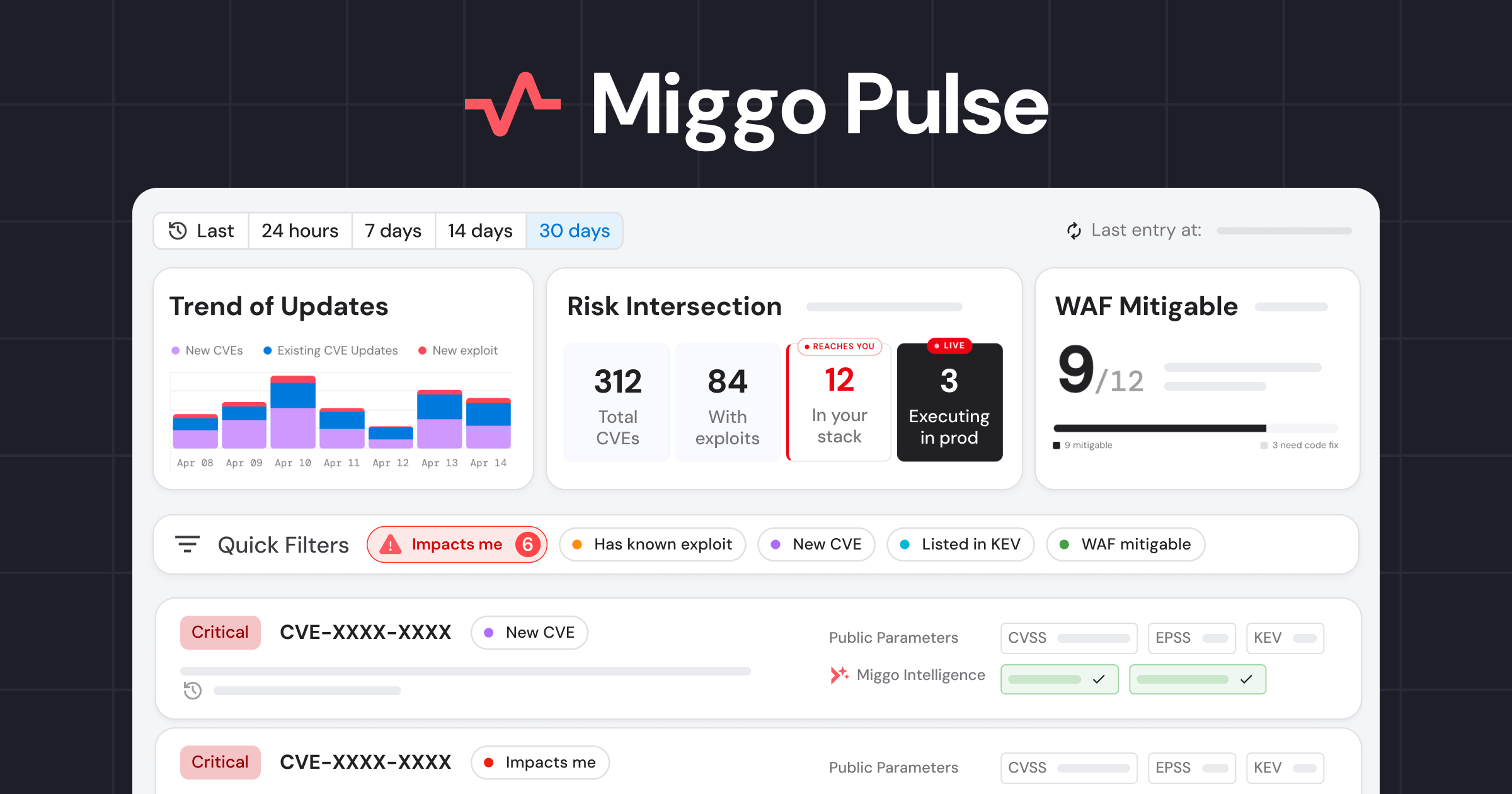
Miggo was built on the premise that static vulnerability scores are insufficient. From day one, our platform has been designed to answer the question security teams actually need answered: "Which vulnerabilities in my environment are reachable, exposed, and exploitable right now?"
The Miggo runtime approach means we don't wait for exploitation data from other environments to tell you what matters. We observe your applications as they run tracing how traffic flows, how functions execute, which code paths are actually active in production and surface the vulnerabilities that represent real, environment-specific exposure.
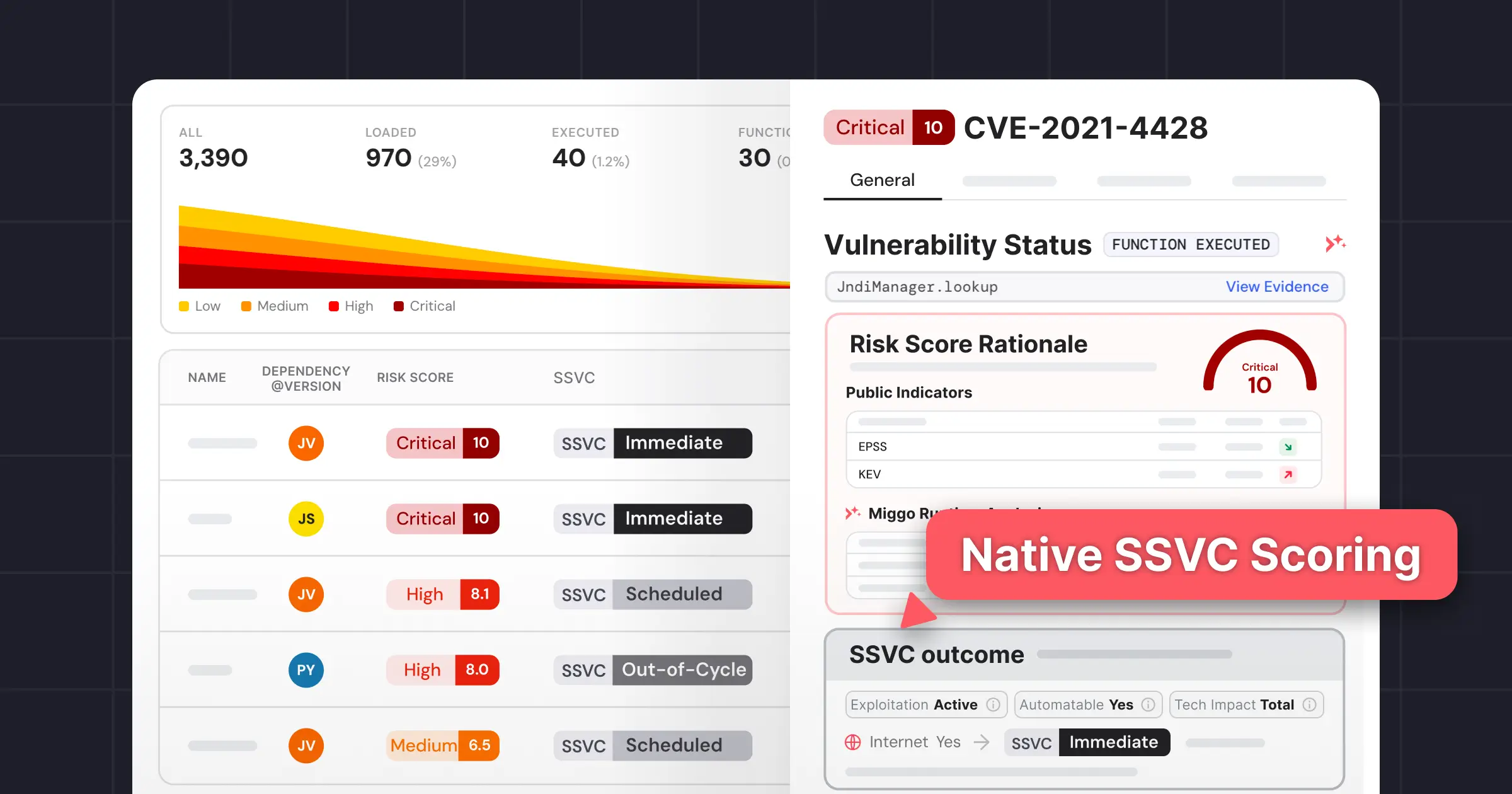
Because BOD 26-04 aligns closely with how Miggo thinks about vulnerability risk, we have rolled out native SSVC scoring within the Miggo platform. You will now be able to see SSVC decision outcomes directly alongside existing CVSS scores, enriched with Miggo's runtime context, giving your team the signal clarity to act on what CISA's framework requires and protect against your highest-risk exposures immediately.
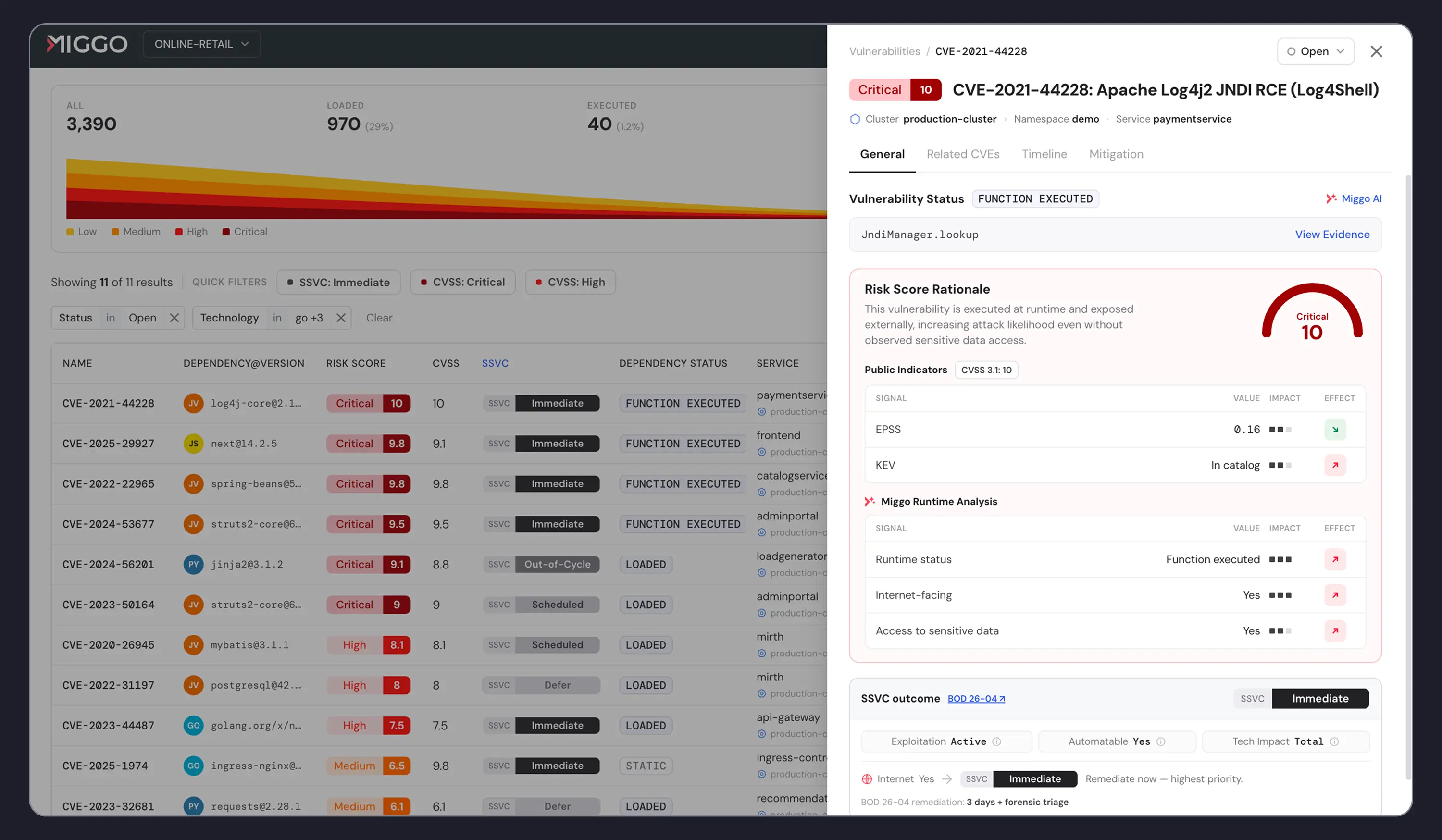
Because Miggo's runtime context maps directly to the SSVC decision tree, existing customers can see SSVC outcomes applied to their vulnerability inventory immediately, no manual scoring, no framework migration project. If you're running a CVSS-based program today, Miggo can show you your environment through an SSVC lens tomorrow morning.
How Miggo Takes BOD 26-04 Further
BOD 26-04 gets you to the right starting point, prioritizing based on reachability. That's a significant improvement over CVSS. But reachability is not the same as exploitability.
A vulnerability can be reachable and still never be exploited because the specific code path required to trigger it is never actually executed in your environment. Conversely, a vulnerability that SSVC might deprioritize could be positioned exactly where your highest-risk business logic runs.
The question SSVC answers: "Can an attacker get to this service?"
The question that actually matters: "Can an attacker execute the specific function that makes this vulnerability dangerous in your environment, against your code, right now?"
This is function-level exploitability. And it's where the 1% of vulnerabilities that will actually be exploited lives.
Miggo's runtime tracing goes to this level. Rather than stopping at network reachability, we trace execution at the function level, identifying not just which services are exposed, but which specific code paths are active, reachable, and exploitable in production. This is the difference between a vulnerability backlog of thousands and a confirmed-critical list of the handful that genuinely require immediate action. Security teams need to know whether the specific vulnerability, in the specific function, can be triggered against their specific deployment.
From Prioritization to Protection: Miggo Covers You While You Patch
Identifying the 1% of vulnerabilities that genuinely matter is a major step forward. But security teams face a second, equally real constraint: patching takes time.
Even when you know exactly which vulnerability needs to go first, engineering cycles are finite. Coordinating a patch across development, QA, and production deployment can take days or weeks. In the meantime, the vulnerability remains open and exploitable. This is where runtime mitigation closes the loop.
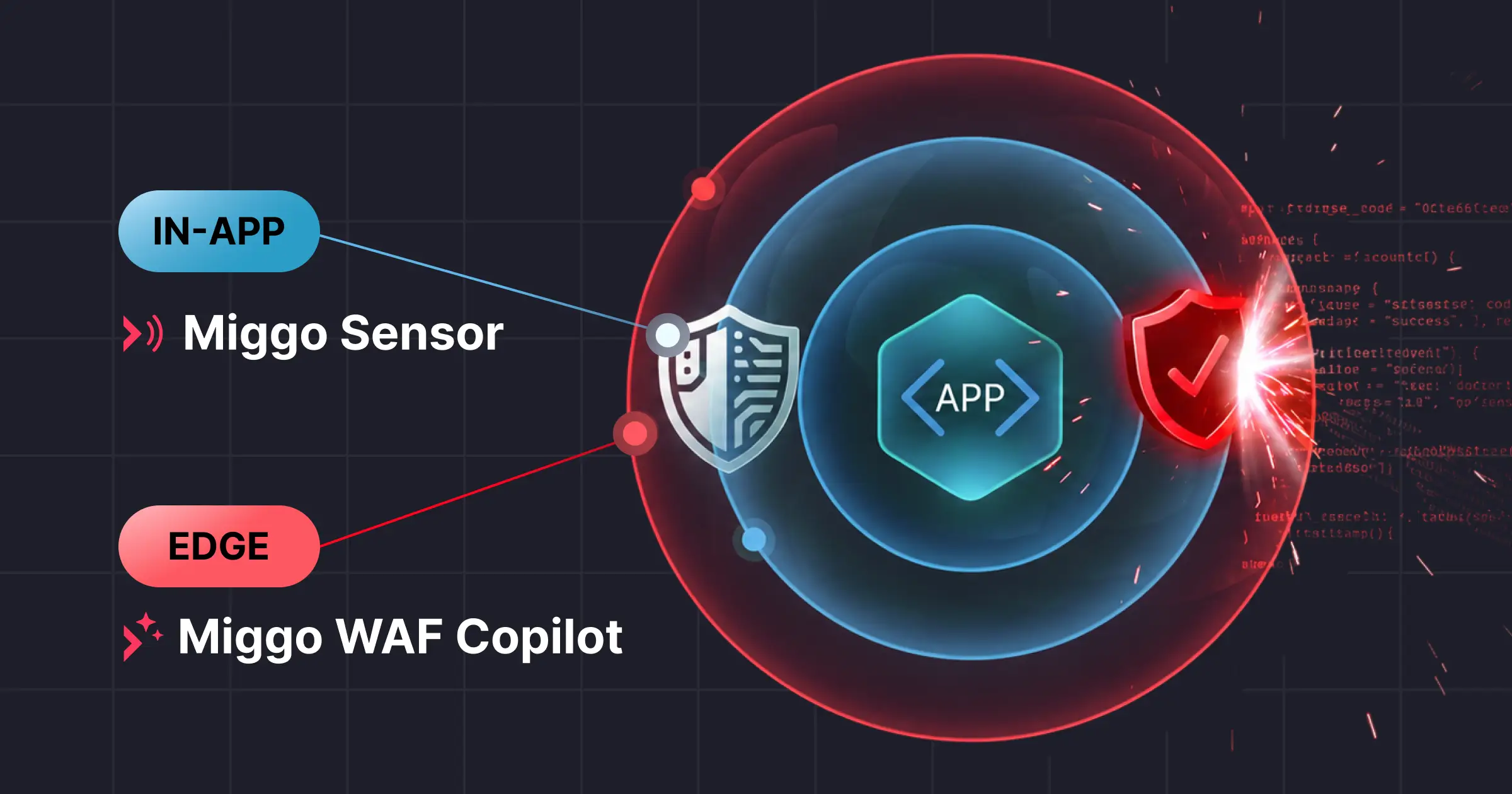
Miggo actively protects against vulnerabilities at runtime while your team works through a remediation process with two layers of defense. By operating at the application layer, Miggo can provide a virtual patch through the Miggo WAF Copilot or in-app detection through a sensor that can block an attack, providing immediate coverage without waiting for a patch to ship.
The result is a complete vulnerability management & mitigation workflow: know what's truly exploitable, protect against it at runtime, and patch with full confidence on your timeline.
Conclusion
SSVC sets a new floor for vulnerability prioritization. For federal agencies, compliance is required. For enterprise security teams, it's a signal that the industry is moving toward risk-based, context-aware approaches and programs that haven't already made this shift will face increasing pressure to do so.
Miggo helps security teams not just meet this new standard, but exceed it.
For teams ready to move from CVSS to SSVC now, Miggo makes the transition immediate. For teams that want to go further, function-level exploitability and runtime mitigation are already in the platform. You don't have to choose between getting compliant and getting protected. Request a demo to see both in your environment.